

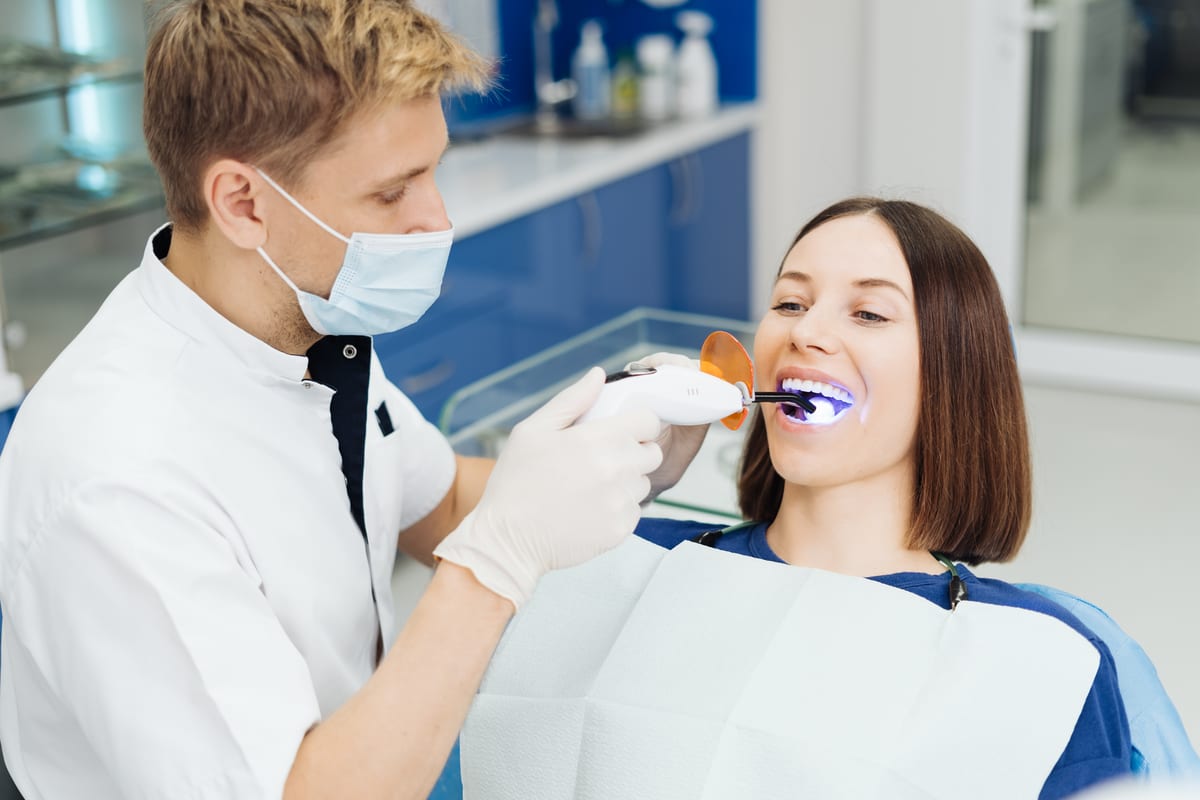
You brush twice a day. You’ve tried whitening strips. You’ve even cut back on your morning coffee. But your smile still looks dull. If you’re wondering why your coffee stains won’t whiten — and what will work in Ann Arbor — you’re not alone. The answer has everything to do with where your stains live and what caused them in the first place.
Not All Stains Are Created Equal in Ann Arbor
Most people assume all tooth discoloration works the same way. It doesn’t. Dentists classify stains into two categories: extrinsic and intrinsic. Understanding the difference is the key to choosing the right treatment.
Extrinsic stains sit on the outer surface of your enamel. They come from foods, drinks, and lifestyle habits. Coffee, tea, red wine, and tobacco are the most common culprits. These stains are often the easiest to treat.
Intrinsic stains live inside the tooth itself — within the dentin layer. They form during tooth development or as a result of trauma, medications, or aging. Standard whitening products cannot reach these stains. That’s why your whitening strips may be doing nothing at all.
Why Coffee Stains Sometimes Resist Whitening Treatments
Coffee is highly acidic and deeply pigmented. Over time, it erodes enamel and allows color molecules to penetrate deeper into the tooth. Depending on how long you’ve been drinking coffee, your stains may have moved beyond the surface layer.
This is one key reason why your coffee stains won’t whiten with Ann Arbor drugstore products. Over-the-counter strips are designed for mild surface staining. They simply aren’t strong enough to reverse years of deep pigmentation.
Even professional whitening treatments have limits. Bleaching agents work by oxidizing color compounds inside the enamel. But if those compounds have embedded into dentin, or if your enamel is thin, whitening may produce uneven or disappointing results.
Here are the most common reasons whitening treatments fail:
- Stains are intrinsic, not surface-level
- Enamel has been worn down by acidic foods or drinks
- Previous dental work (crowns, veneers, or bonding) doesn’t respond to bleach
- Staining was caused by tetracycline antibiotics during childhood
- Natural tooth color is yellow or gray by genetics
What Actually Works for Different Types of Stains
The good news is that every type of stain has a solution. You just need the right one for your specific situation. Dr. Shah at Stadium Family Dentistry of Ann Arbor can help you identify what’s causing your discoloration and recommend a targeted treatment plan.
For extrinsic stains, professional in-office whitening is often the most effective first step. It uses prescription-strength bleaching gel that penetrates deeper than any store-bought product. Results are typically dramatic and long-lasting when combined with good oral hygiene.
For intrinsic stains, cosmetic procedures are usually the better path. These include:
- Dental bonding — A tooth-colored resin is applied over discolored areas to mask staining and reshape the tooth
- Porcelain veneers — Thin shells bonded to the front of teeth for a complete cosmetic transformation
- Dental crowns — Used when staining is severe or the tooth has structural damage alongside discoloration
Each of these options covers discoloration rather than chemically removing it. That makes them ideal for stains that bleach simply cannot touch.
Dental Bonding and Crowns: Cosmetic Fixes That Go Beyond Whitening
Dental Bonding Ann Arbor is one of the most affordable and versatile cosmetic treatments available. Dr. Shah applies a composite resin directly to the tooth surface. The material is shaped, hardened, and polished to blend naturally with your surrounding teeth.
Bonding works especially well for single teeth with localized staining. It’s also a great option if you have minor chips or gaps alongside discoloration. The procedure usually takes one appointment and requires no removal of healthy tooth structure.
For more extensive discoloration or structurally compromised teeth, Dental Crowns Bridges Ann Arbor may be the most appropriate solution. A crown covers the entire visible portion of the tooth. It restores both appearance and function in one step. This is particularly useful when a tooth has been darkened by old metal fillings, decay, or internal trauma.
How to Prevent Future Staining After Treatment
Once you’ve invested in whitening or cosmetic treatment, protecting your results matters. The habits that caused your stains in the first place can undo your progress faster than you might expect.
Here are practical steps to maintain a brighter smile in Ann Arbor:
- Drink coffee and tea through a straw to reduce direct contact with enamel
- Rinse your mouth with water immediately after consuming staining foods or drinks
- Brush at least twice daily with a whitening toothpaste
- Schedule regular professional cleanings every six months
- Avoid tobacco products entirely — they cause rapid and deep staining
- Ask Dr. Shah about touch-up whitening to maintain your results over time
Professional teeth cleanings also play a critical role. Hygienists remove surface buildup that your toothbrush can’t fully reach. Keeping up with cleanings prevents extrinsic stains from becoming embedded over time.
When to See Dr. Shah About Tooth Discoloration
Not every case of discoloration is cosmetic. Sometimes darkening signals a deeper dental problem. A tooth that has turned gray or brown after an injury may have a damaged or dead nerve inside. That requires root canal treatment — not whitening.
Similarly, white spots on teeth can indicate early enamel damage or fluorosis. These respond differently than typical yellow or brown staining. A professional evaluation is the only way to know for sure what you’re dealing with.
If you’ve been frustrated by whitening treatments that just don’t work, the answer isn’t to try a stronger strip. It’s to get an accurate diagnosis first. Dr. Shah will examine your teeth, identify the type of staining you have, and walk you through every realistic option for your specific smile.
Stadium Family Dentistry of Ann Arbor is here to help you move past guesswork and toward a treatment that actually delivers results. Book Now to schedule your appointment with our team.
Frequently Asked Questions
Why don’t whitening strips work on my coffee stains?
Whitening strips use a mild bleaching agent designed for surface-level stains. If your coffee stains have penetrated deeper into the enamel or dentin over time, strips won’t be strong enough to remove them. Professional whitening or cosmetic treatments like bonding or veneers may be more effective.
What is the difference between intrinsic and extrinsic stains?
Extrinsic stains are on the outer surface of your enamel and are caused by food, drinks, and tobacco. Intrinsic stains are inside the tooth structure and can result from aging, trauma, certain medications, or developmental factors. Bleaching works on extrinsic stains but rarely addresses intrinsic ones.
Can dental bonding fix discolored teeth?
Yes. Dental bonding is a great option for covering discoloration that doesn’t respond to whitening. Dr. Shah applies a tooth-colored resin to the affected tooth, shapes it for a natural look, and hardens it in place. It’s a fast, minimally invasive, and cost-effective cosmetic solution.
How long does professional teeth whitening last?
Professional whitening results typically last six months to two years, depending on your diet and oral hygiene habits. Regular cleanings, avoiding highly pigmented foods and drinks, and occasional touch-up treatments can extend your results significantly.
How do I know which whitening treatment is right for me?
The best way to find out is through a consultation with Dr. Shah. He will evaluate the type, depth, and cause of your staining and recommend the most appropriate treatment — whether that’s professional bleaching, bonding, veneers, or crowns. There is no one-size-fits-all answer for tooth discoloration.

By Stadium Family Dentistry



New patients and emergency appointments welcome
