
One of the biggest fears patients share with Dr. Shah is simple: will my veneers look fake? It is a completely valid concern. You have probably seen overly bright, unnaturally uniform smiles that look more like bathroom tiles than real teeth. The good news is that modern cosmetic dentistry has moved far beyond that. Understanding the science behind natural shade matching in Ann Arbor can put that fear to rest for good.
Why Veneers Used to Look Unnatural — And How That Has Changed
Early porcelain veneers were limited by the materials available at the time. Labs had fewer color options, and translucency was difficult to replicate. Teeth often came back looking chalky, opaque, or unnervingly white.
Today, dental ceramics are engineered to mimic the optical properties of natural enamel. Modern porcelain contains multiple layers of color and light-diffusing particles. This means light passes through the veneer much like it passes through a real tooth.
The result is depth, warmth, and a lifelike shimmer — not a flat, artificial surface. Patients in Ann Arbor now have access to veneer technology that was once reserved for elite cosmetic centers in larger cities.
The Science Behind Natural Shade Matching in Ann Arbor
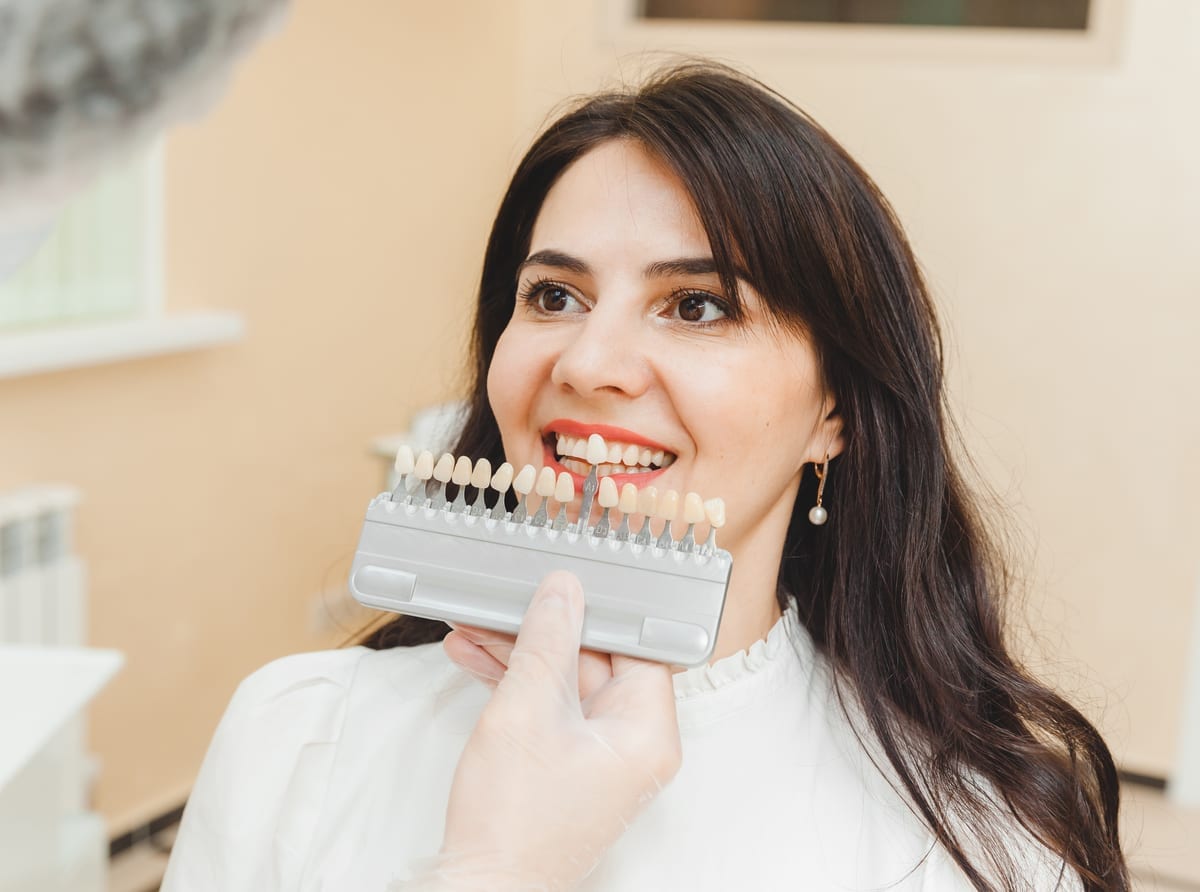
Shade matching is both an art and a science. Dr. Shah does not simply point to a color chart and pick a number. The process involves evaluating several variables unique to each patient’s mouth.
Key factors assessed during shade matching include:
- Value: The overall lightness or darkness of the tooth
- Chroma: The saturation or intensity of color within the tooth
- Hue: The base color family — yellow, grey, or orange tones
- Translucency: How much light passes through the incisal edges
- Surface texture: Fine ridges and lines that reflect light naturally
All of these elements combine to produce a veneer that fits seamlessly into your existing smile. No two patients receive the same shade prescription. The customization is that precise.
How Translucency Makes All the Difference
Natural teeth are not one solid color. They are semi-translucent, especially near the edges. Light enters the enamel, scatters slightly, and exits at a different angle. This creates what dentists call vitality — the living, dynamic look of a healthy tooth.
Opaque veneers block that light entirely. That is why they look fake. They sit on the tooth surface like a painted shield, reflecting light in a flat, uniform way.
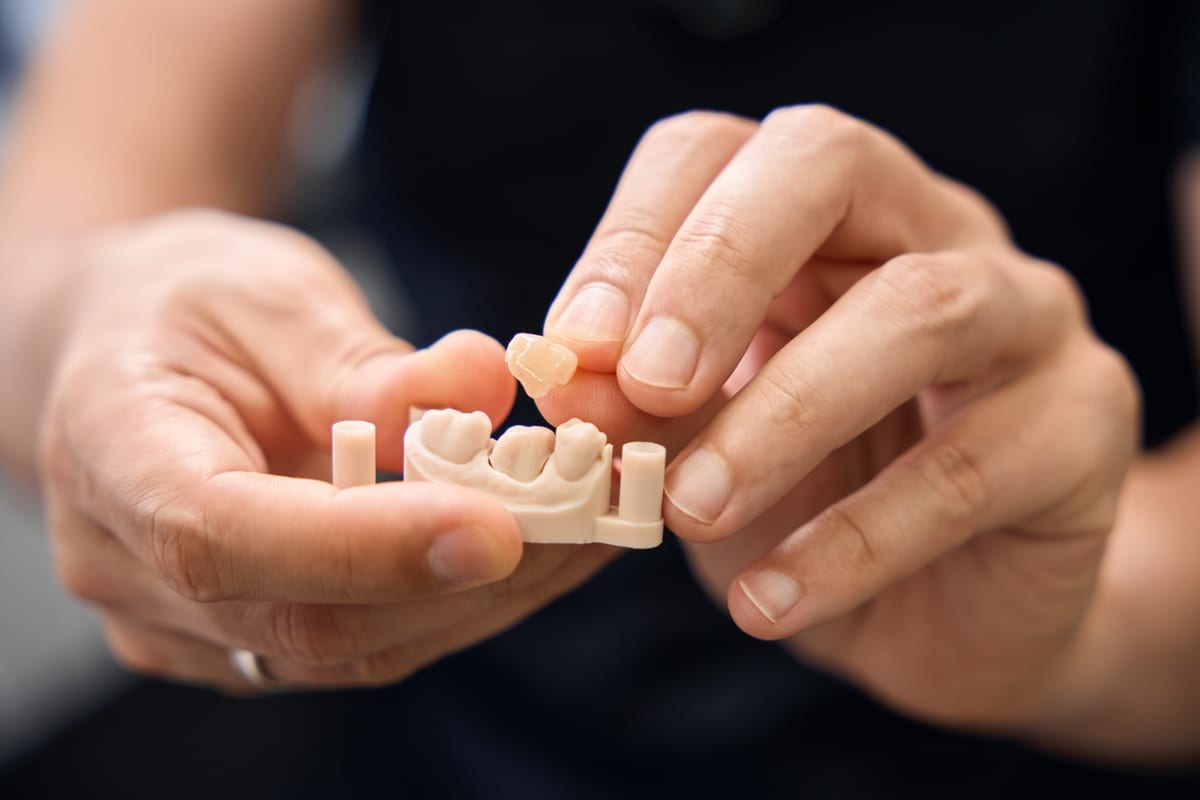
Modern layered porcelain solves this problem. Ceramists apply multiple translucent layers at the dental lab, each one building depth and realism. The incisal third — the biting edge — is often made slightly more translucent to match how natural enamel behaves in that zone.
Dr. Shah communicates these specifications directly to the dental laboratory. Every veneer case includes detailed shade maps, photographs, and written instructions tailored to the individual patient.
How Veneers Compare to Other Cosmetic Options
Veneers are not the only way to improve a smile. Depending on your specific concerns, other treatments may complement or even replace veneers entirely. Understanding your options helps you make an informed decision.
For patients with minor chips, gaps, or discoloration, Dental Bonding Ann Arbor offers a conservative, cost-effective alternative. Bonding uses tooth-colored composite resin to reshape or resurface a tooth without removing significant enamel.
For patients with more structural concerns — such as broken or severely worn teeth — Dental Crowns Bridges Ann Arbor may provide a stronger, longer-lasting solution. Crowns cover the entire tooth, while veneers cover only the front surface.
Dr. Shah will walk you through each option honestly. The goal is always the right treatment for your smile — not the most extensive one.
What to Expect During Your Veneer Consultation at Stadium Family Dentistry
Many patients feel nervous walking into a cosmetic consultation. Dr. Shah and the team at Stadium Family Dentistry of Ann Arbor make this process straightforward and pressure-free.
Here is what typically happens during your first visit:
- Smile analysis: Dr. Shah evaluates your current tooth shade, shape, and proportions
- Photograph documentation: High-resolution photos capture color nuances under consistent lighting
- Digital shade mapping: Advanced shade guides isolate each zone of the tooth
- Lab communication brief: A detailed prescription is prepared for the ceramist
- Trial smile preview: In many cases, a temporary mock-up shows you the planned result before anything is permanently placed
That last step is especially important. You get to see and approve the look before the final veneers are made. There are no surprises. You leave with confidence in the outcome.
Tips for Maintaining Natural-Looking Veneers Long-Term
Once your veneers are placed, a little care goes a long way in preserving their natural appearance. Porcelain is stain-resistant, but the bonding material at the edges can discolor over time with certain habits.
Simple steps to protect your investment include:
- Avoid biting hard objects like ice, pen caps, or fingernails
- Use a soft-bristled toothbrush and non-abrasive toothpaste
- Wear a nightguard if you grind your teeth during sleep
- Attend regular cleanings to remove buildup around veneer margins
- Limit highly pigmented drinks like coffee, red wine, and dark tea
With proper care, high-quality porcelain veneers can last 15 years or more. They remain one of the most durable and aesthetically reliable investments in cosmetic dentistry.
Conclusion: A Smile That Looks Like You — Only Better
The fear that veneers will look fake is understandable. But it is largely rooted in outdated technology and poor shade-matching practices. When done correctly by an experienced provider using modern porcelain ceramics, veneers blend invisibly into your natural smile. They do not announce themselves. They simply make your smile look its best.
Dr. Shah and the team at Stadium Family Dentistry of Ann Arbor are committed to results that feel authentic — because your confidence deserves nothing less. Book Now to schedule your appointment with our team.
Frequently Asked Questions
Will my veneers match my natural teeth?
Yes. Dr. Shah uses multi-factor shade analysis to match the hue, value, chroma, and translucency of your surrounding teeth. The goal is seamless integration — not a uniform, bleached look that draws attention to the veneers themselves.
Can I choose how white my veneers are?
Absolutely. During your consultation, you and Dr. Shah will discuss your desired outcome together. Most patients prefer a shade that is naturally bright — not artificially stark. The shade is chosen collaboratively to match your skin tone, eye color, and smile goals.
How long does the shade matching process take?
Shade matching typically takes place during your consultation and preparation appointment. It involves photography, shade guide evaluation, and a detailed lab prescription. The process usually adds 20 to 30 minutes but makes a significant difference in the final result.
Do veneers stain the same way natural teeth do?
Porcelain veneers are highly stain-resistant and do not absorb pigment the way natural enamel does. However, the composite resin used at the bonding margins can discolor slightly over time. Routine cleanings and mindful habits help maintain a consistent appearance for years.
Are veneers reversible?
Traditional porcelain veneers require a small amount of enamel removal, making the process permanent. However, no-prep or minimal-prep veneers are available for select candidates. Dr. Shah will explain all options during your consultation so you can make the most informed decision for your smile.

By Stadium Family Dentistry
New patients and emergency appointments welcome
