
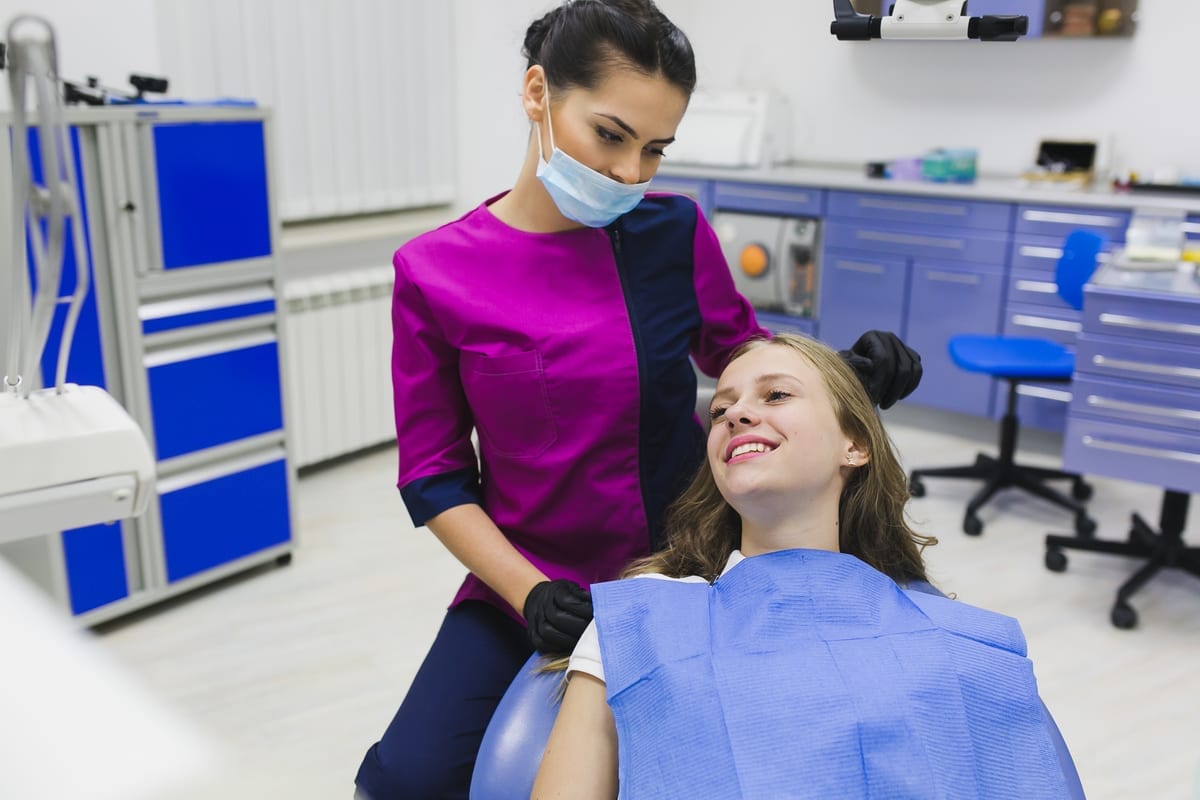
You just finished your professional cleaning at Stadium Family Dentistry of Ann Arbor. Your teeth feel smooth, fresh, and polished. But what happens in the next few hours matters more than most patients realize. Knowing what to do and avoid right after your professional cleaning in Ann Arbor can protect your results and extend the benefits of your visit.
Dr. Shah and our team want every patient to leave with a plan. This guide walks you through the most important aftercare steps. Follow these tips, and your cleaning will work harder and last longer.
Why the First Few Hours After Your Cleaning Matter Most
During a professional cleaning, our hygienists remove plaque, tartar, and surface stains from your teeth. The process also involves polishing your enamel. This leaves your tooth surfaces temporarily more porous and sensitive.
Your gums may also feel slightly tender after a deeper cleaning. This is completely normal and expected. The key is giving your mouth time to settle before exposing it to irritants.
Think of it like washing your car and then immediately driving through mud. The work holds up better when you protect it right away. The same principle applies to your freshly cleaned teeth in Ann Arbor.
What to Do Right After Your Professional Cleaning in Ann Arbor
The hours after your cleaning are a great opportunity to build on the work your hygienist just completed. Here are the most important positive steps to take:
- Drink plenty of water — Hydration helps rinse away any residual debris and supports healthy saliva production.
- Brush gently that evening — Use a soft-bristled toothbrush and gentle circular motions to maintain cleanliness without irritating tender gums.
- Floss carefully — Your hygienist just cleared the spaces between teeth. Keep them clean with one gentle floss session before bed.
- Eat soft, neutral foods — Mild foods like yogurt, eggs, or steamed vegetables are easy on freshly cleaned surfaces.
- Use a fluoride toothpaste — Fluoride helps remineralize enamel after cleaning and polishing. It strengthens your teeth overnight.
These habits reinforce what your hygienist accomplished. They also help your gums recover more quickly if any sensitivity occurred during scaling.
What to Avoid After Your Cleaning — And Why It Matters
Certain foods, drinks, and habits can undo your cleaning results surprisingly fast. Avoiding them for at least a few hours makes a real difference. Here is what to steer clear of:
- Staining foods and drinks — Coffee, tea, red wine, and dark berries can stain newly polished enamel quickly. Your teeth are more vulnerable to staining right after a cleaning.
- Acidic foods and drinks — Citrus juice, soda, and vinegar-based dressings can irritate sensitive gums and weaken enamel temporarily.
- Hard or crunchy foods — Chips, nuts, and raw vegetables can aggravate tender gum tissue right after a deep cleaning.
- Tobacco products — Smoking or chewing tobacco immediately after a cleaning increases staining and slows gum tissue recovery.
- Alcohol-based mouthwash — These can dry out and irritate sensitive gum tissue. Choose an alcohol-free rinse if you want to use mouthwash.
Most of these restrictions only apply for the first 24 to 48 hours. After that window, your gums and enamel are typically back to their normal resilience.
Managing Sensitivity After Your Ann Arbor Dental Cleaning
Some patients experience mild tooth sensitivity after a professional cleaning. This is especially common after a deeper cleaning that targets tartar buildup below the gumline. Sensitivity usually fades within one to three days.
To manage it effectively, avoid very hot or very cold foods and drinks for the first 24 hours. Use a toothpaste formulated for sensitivity if needed. These products contain compounds that help block nerve signals in exposed areas.
If your sensitivity lasts longer than a week, contact us at Stadium Family Dentistry. Persistent sensitivity can sometimes signal an issue that needs attention, such as exposed root surfaces or early enamel erosion. Dr. Shah can evaluate your situation and recommend the right next step.
In some cases, patients with sensitivity may benefit from additional protective treatments. Options like Dental Bonding Ann Arbor can shield vulnerable areas of the tooth and reduce ongoing discomfort. Similarly, patients with worn enamel or damaged teeth may want to explore Dental Crowns Bridges Ann Arbor for longer-term protection.
Building a Post-Cleaning Routine That Lasts
A professional cleaning sets a strong foundation. Your daily habits determine how long that foundation holds. Patients who maintain consistent brushing and flossing between cleanings see much better results at each subsequent visit.
Dr. Shah recommends brushing at least twice a day with a fluoride toothpaste. Flossing once daily removes the debris your toothbrush cannot reach. These habits reduce plaque buildup and help prevent gum disease from developing between appointments.
Most patients at Stadium Family Dentistry of Ann Arbor benefit from cleanings every six months. Some patients with gum disease or heavy plaque buildup may need visits every three to four months. Your hygienist will recommend the right schedule based on your individual needs.
Keeping up with your appointments means each cleaning starts from a healthier baseline. That means less scaling, less sensitivity, and better overall results every time.
Conclusion
Understanding what to do and avoid right after your professional cleaning in Ann Arbor gives you real control over your oral health outcomes. Small choices in the first 24 to 48 hours can protect your results and make your next cleaning easier. Dr. Shah and the Stadium Family Dentistry of Ann Arbor team are here to support you every step of the way. Book Now to schedule your appointment with our team.
Frequently Asked Questions
Can I eat right after a professional dental cleaning?
Yes, but choose wisely. Avoid staining foods like coffee, tea, and berries for at least 24 hours. Also avoid very hot, cold, or acidic foods if your teeth feel sensitive. Soft, neutral options like yogurt or eggs are the safest choices immediately after your cleaning.
How long does tooth sensitivity last after a cleaning?
Mild sensitivity typically lasts one to three days after a routine cleaning. A deeper cleaning that removes tartar below the gumline can cause sensitivity that lasts up to a week. If sensitivity persists beyond seven days, contact Stadium Family Dentistry of Ann Arbor for an evaluation.
Should I brush my teeth right after my dental cleaning?
You can brush your teeth that same evening, but be gentle. Use a soft-bristled toothbrush and light pressure. Your gums may be slightly tender right after scaling, so avoid aggressive scrubbing. A gentle routine that evening will help maintain the clean results without causing irritation.
Is it normal for my gums to bleed a little after a cleaning?
Light bleeding after a professional cleaning is common, especially if tartar buildup was heavy or gum disease was present. This usually resolves within a day or two. If bleeding is heavy or continues beyond 48 hours, reach out to Dr. Shah for guidance.
How often should I schedule a professional cleaning in Ann Arbor?
Most patients benefit from a professional cleaning every six months. However, patients with gum disease, heavy plaque buildup, or other risk factors may need more frequent visits. Your hygienist at Stadium Family Dentistry of Ann Arbor will recommend the best schedule for your specific needs.

By Stadium Family Dentistry


New patients and emergency appointments welcome
