

TMJ pain can make everyday life miserable. Chewing, talking, and even yawning can trigger sharp jaw discomfort. If you want to stop TMJ pain with these daily habits your dentist recommends in Ann Arbor, you are in the right place. Dr. Shah at Stadium Family Dentistry of Ann Arbor shares proven self-care strategies to help you manage TMJ symptoms and protect your long-term jaw health.
What Is TMJ and Why Does It Hurt?
TMJ stands for temporomandibular joint. This joint connects your lower jaw to your skull on both sides of your face. When this joint becomes inflamed or misaligned, it causes pain, clicking, and stiffness. Many Ann Arbor patients experience TMJ symptoms without realizing what triggers them.
Common TMJ symptoms include jaw soreness, headaches, ear pain, and difficulty opening the mouth. The causes vary widely from person to person. Teeth grinding, stress, poor posture, and jaw injuries all play a role. Understanding your triggers is the first step toward lasting relief.
Daily Jaw Exercises That Reduce TMJ Pain in Ann Arbor
Gentle jaw exercises can significantly reduce TMJ discomfort over time. These movements help strengthen muscles, improve range of motion, and reduce tension. Dr. Shah recommends performing these exercises daily for the best results. Always move slowly and stop if you feel sharp pain.
Try these simple exercises each morning and evening:
- Chin tucks: Pull your chin straight back, hold for five seconds, and release. Repeat ten times.
- Resisted mouth opening: Place your thumb under your chin and slowly open your mouth against gentle resistance. Hold for six seconds.
- Side-to-side jaw movement: Place a small object between your front teeth and gently move your jaw side to side. Use a tongue depressor or folded gauze.
- Relaxed jaw stretch: Rest your tongue on the roof of your mouth, let your teeth part slightly, and breathe deeply for thirty seconds.
Consistency matters more than intensity with these exercises. Practice them daily for at least four to six weeks. Combine them with the other strategies below for the most effective relief.
Heat, Cold, and Dietary Changes That Help Stop TMJ Pain
Temperature therapy is one of the easiest ways to ease TMJ flare-ups. Applying a warm compress to your jaw relaxes tight muscles and improves circulation. Use a warm towel or heating pad for fifteen to twenty minutes. Cold packs reduce inflammation during acute pain episodes.
Alternate between heat and cold for the best results during a flare-up. Apply heat first to loosen the muscles. Follow with a cold pack to reduce any swelling. Always wrap ice packs in a cloth to protect your skin.
Your diet also has a major impact on TMJ symptoms. Hard, chewy, and crunchy foods force your jaw to work harder than it should. Making smart food choices gives your jaw the rest it needs to heal. Try these dietary adjustments:
- Choose soft foods like yogurt, mashed potatoes, scrambled eggs, and smoothies during flare-ups.
- Cut food into small pieces before chewing to reduce jaw strain.
- Avoid hard foods like bagels, raw carrots, hard candy, and ice.
- Skip chewy foods such as gum, tough meats, and sticky candy.
- Limit caffeine, which can increase muscle tension and worsen grinding.
These dietary changes may feel inconvenient at first. However, giving your jaw regular rest periods accelerates healing. Even small adjustments can produce noticeable relief within a few weeks.
Stress Management Strategies Your Dentist Recommends
Stress is one of the most overlooked drivers of TMJ pain. When you feel anxious or tense, you may clench your jaw without realizing it. This places enormous pressure on the temporomandibular joint over time. Managing stress effectively is essential for lasting TMJ relief.
Dr. Shah encourages Ann Arbor patients to build stress-reduction habits into their daily routine. Even ten minutes of intentional relaxation each day makes a measurable difference. Try deep breathing exercises, meditation apps, or gentle yoga. Many patients find that journaling or light evening walks also help reduce jaw tension.
Pay attention to your jaw position throughout the day. Your teeth should rest slightly apart when your mouth is closed. Your tongue should rest gently on the roof of your mouth. This natural resting position prevents unconscious clenching and reduces muscle fatigue.
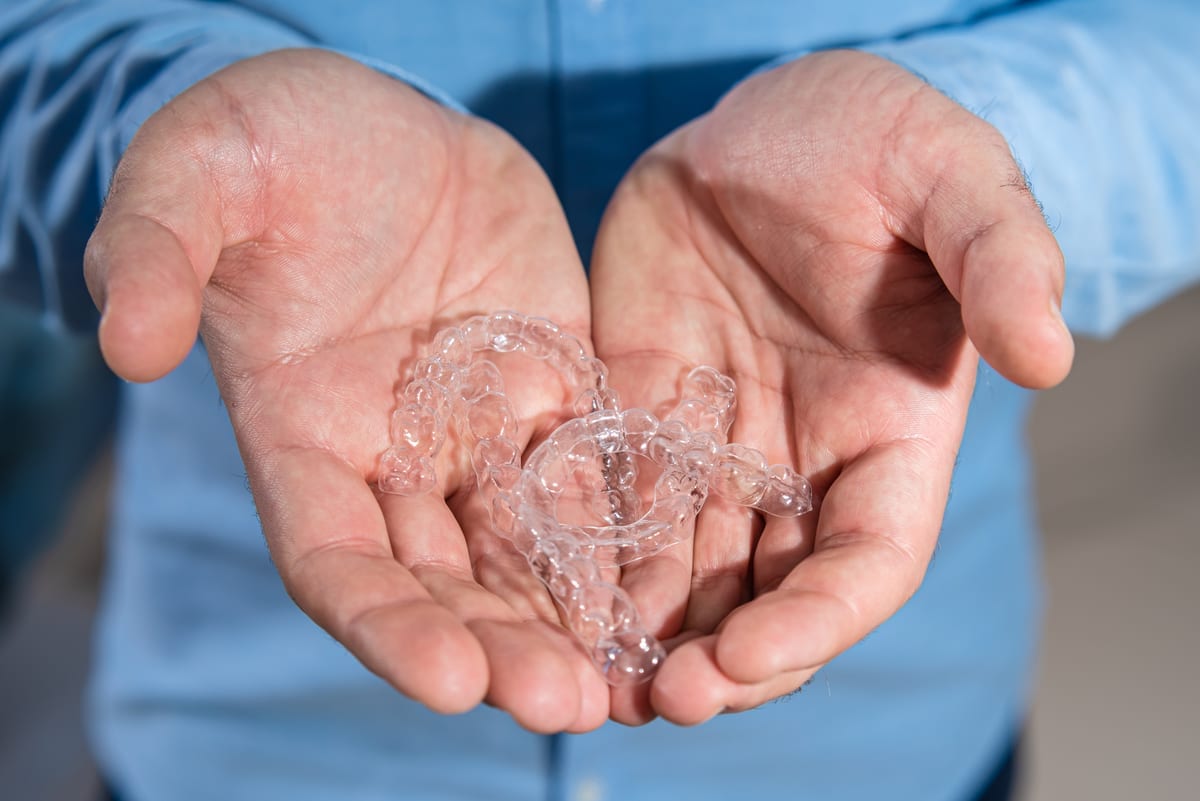
If stress-related grinding is severe, Dr. Shah may recommend a custom night guard. This appliance protects your teeth and cushions your jaw while you sleep. It is one of the most effective tools for managing nighttime TMJ symptoms long-term.
Habits That Make TMJ Worse — And How to Break Them
Certain everyday habits silently worsen TMJ pain. Many patients are surprised to learn that common behaviors are responsible for their symptoms. Identifying and changing these habits is just as important as adding new healthy ones. Here are the most common offenders:
- Chewing gum: Repetitive chewing overworks the jaw joint and muscles. Stop gum chewing entirely during flare-ups.
- Nail biting and pen chewing: These habits put uneven stress on the jaw. Replace them with a stress ball or fidget tool.
- Cradling your phone: Holding your phone between your ear and shoulder strains your neck and jaw. Use a headset or speaker instead.
- Sleeping on your stomach: This position twists your neck and puts pressure on your jaw. Switch to sleeping on your back or side.
- Resting your chin on your hand: This pushes the jaw out of alignment. Keep your posture upright when seated at a desk.
Breaking these habits takes time and awareness. Try placing reminder notes around your workspace or setting hourly phone alerts. The goal is to catch yourself before the habit occurs. Small behavioral changes compound into significant relief over weeks and months.
It is also worth noting that damaged teeth can sometimes contribute to jaw misalignment and TMJ discomfort. Restoring broken teeth with options like Dental Crowns Bridges Ann Arbor can improve your bite and reduce stress on the joint. Similarly, Dental Bonding Ann Arbor can repair worn or chipped teeth that may be affecting your bite balance.
When to See Dr. Shah for Professional TMJ Treatment
Self-care habits are powerful, but they have limits. If your TMJ pain is severe, worsening, or lasting more than a few weeks, professional treatment is necessary. Dr. Shah at Stadium Family Dentistry of Ann Arbor offers comprehensive TMJ evaluation and treatment options. Early intervention prevents the condition from becoming a chronic problem.
Signs you should schedule an appointment soon include locking of the jaw, frequent morning headaches, and difficulty eating. Persistent clicking or popping sounds also warrant professional attention. Do not wait for symptoms to become unbearable before seeking help. TMJ disorders respond best to early, consistent care.
Dr. Shah will assess your bite, jaw function, and overall oral health during your visit. A personalized treatment plan may include a custom night guard, bite adjustment, or referrals to physical therapy. You will leave with a clear understanding of your condition and a plan for relief. Take control of your jaw health today — Book Now to schedule your appointment with our team.
Frequently Asked Questions
How long does it take for TMJ self-care habits to reduce pain?
Most patients notice gradual improvement within two to four weeks of consistent self-care. Combining jaw exercises, dietary changes, and stress management produces faster results than any single approach alone. Severe cases may take longer and often benefit from professional treatment alongside home strategies.
Is it safe to do jaw exercises during a TMJ flare-up?
Gentle, slow exercises are generally safe during mild flare-ups. Avoid any movement that causes sharp or intense pain. During severe flare-ups, focus on rest, heat or cold therapy, and soft foods before reintroducing exercises. Always consult Dr. Shah if you are unsure whether exercise is appropriate for your situation.
Can stress really cause TMJ pain?
Yes, stress is one of the most significant contributors to TMJ disorders. Stress causes unconscious jaw clenching and teeth grinding, which strains the temporomandibular joint. Patients in Ann Arbor who actively manage their stress through relaxation techniques often experience measurable reductions in jaw pain and muscle tension.
What foods should I avoid if I have TMJ pain?
Avoid hard, crunchy, and chewy foods during TMJ flare-ups. This includes raw carrots, bagels, hard candy, tough meats, and chewing gum. Opt for soft foods like soups, yogurt, smoothies, and cooked vegetables. Cutting food into small pieces before chewing also reduces stress on the jaw joint significantly.
When should I see a dentist for TMJ instead of managing it at home?
See Dr. Shah if your pain is severe, persistent beyond a few weeks, or getting worse despite self-care. Jaw locking, frequent headaches, and difficulty eating are all signs that professional evaluation is needed. Early professional treatment leads to better outcomes and prevents TMJ disorders from becoming a long-term chronic condition.

By Stadium Family Dentistry

New patients and emergency appointments welcome
