
If you’re considering dental implants in Ann Arbor, you probably have questions about what the process actually involves. This step-by-step guide to what happens during dental implant surgery in Ann Arbor is designed to walk you through every phase. Dr. Shah and the team at Stadium Family Dentistry want you to feel informed and confident before you ever sit in the chair. Understanding the process is one of the best ways to reduce anxiety and make a great decision for your smile.
Step 1: Your Initial Consultation and Treatment Planning in Ann Arbor
Every successful implant begins with a thorough consultation. Dr. Shah will review your medical and dental history in detail. He will also take digital X-rays or 3D scans to evaluate your bone structure and jaw health.
This step is critical because it determines whether you are a good candidate for implants. Factors like bone density, gum health, and overall oral hygiene all matter. If gum disease is present, it must be treated before any surgical planning begins.
During this visit, Dr. Shah will walk you through your personalized treatment plan. You will learn about the timeline, what each appointment involves, and what to expect at home. This is the ideal time to ask every question on your mind.
Step 2: Preparing Your Mouth for Implant Surgery
Some patients need preparatory work before the implant is placed. This may include a bone graft if the jawbone lacks sufficient density. A bone graft adds volume to the jaw so it can firmly support the implant post.
Other patients may need a tooth extraction if the damaged tooth is still in place. These preparatory steps are performed well in advance. They allow the tissue to heal fully before implant surgery begins.
Not everyone needs these extra steps. Many patients move directly to implant placement after the initial consultation. Dr. Shah will be upfront about what your specific case requires.
Step 3: The Implant Placement Procedure — What Happens Step by Step
On the day of surgery, your comfort is the top priority. Dr. Shah will administer local anesthesia to fully numb the treatment area. Sedation options are also available for patients who feel nervous.
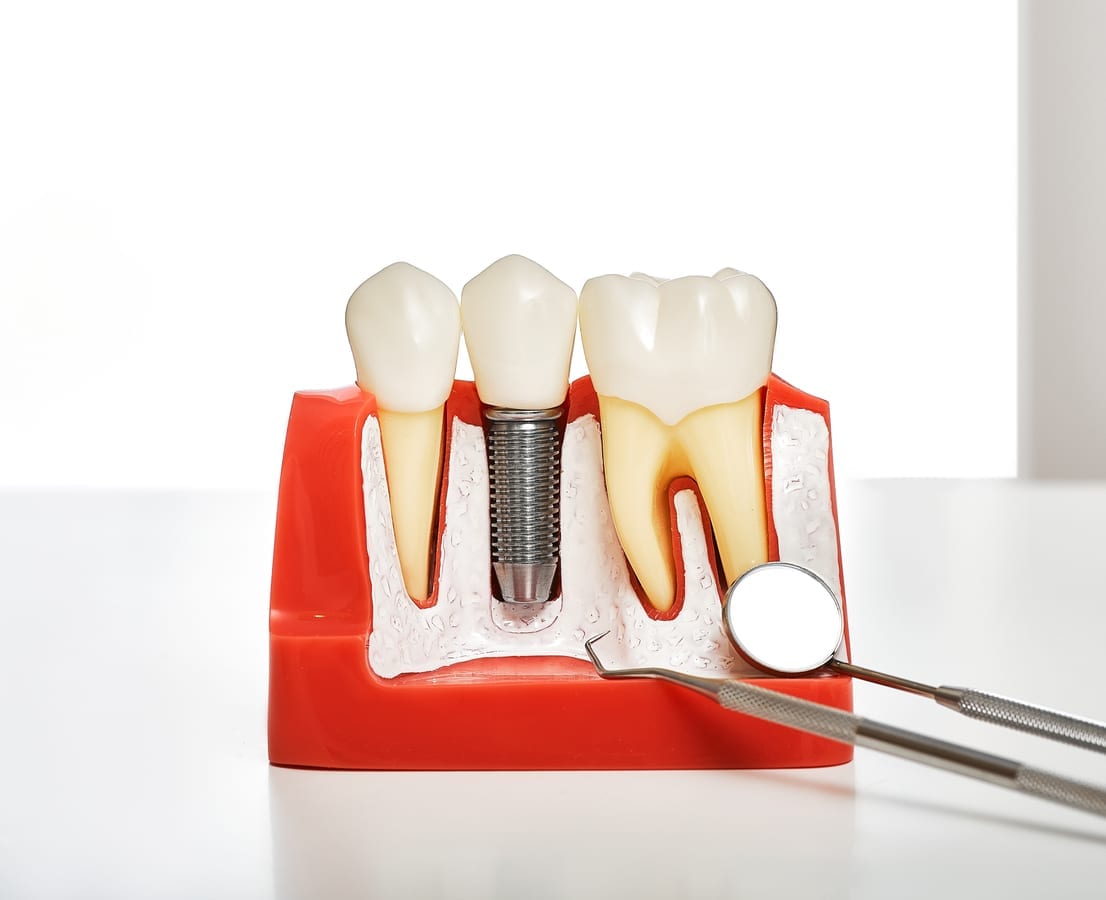
Here is exactly what happens during the placement procedure:
- A small incision is made in the gum tissue to expose the jawbone.
- A precise channel is drilled into the bone at a carefully mapped angle.
- The titanium implant post is gently placed into that channel.
- The gum tissue is stitched closed around or over the implant.
- A healing cap or temporary cover is placed to protect the site.
The entire surgical appointment typically takes one to two hours. Most patients are surprised by how manageable it feels. The anesthesia ensures you remain comfortable throughout the process.
Step 4: The Healing Phase and Osseointegration
After surgery, the implant enters a critical healing phase called osseointegration. This is the process where the titanium post fuses with your jawbone. It typically takes three to six months to complete.
During this period, your bone cells grow around and bond to the implant surface. This fusion is what gives the implant its exceptional strength and stability. No other tooth replacement option replicates this natural anchoring process.
You will have follow-up visits with Dr. Shah to monitor healing progress. Mild swelling, soreness, and bruising are normal in the first few days. Most patients return to regular activities within a day or two after surgery.
To support healing, follow these guidelines at home:
- Stick to soft foods for the first week after surgery.
- Avoid smoking, as it significantly slows the healing process.
- Rinse gently with a prescribed or saltwater solution.
- Do not touch or disturb the surgical site with your tongue or fingers.
- Take any prescribed medications exactly as directed.
Step 5: Placing the Abutment and Final Restoration
Once osseointegration is complete, the final stages of treatment begin. Dr. Shah will attach a small connector piece called an abutment to the top of the implant post. This piece serves as the anchor for your final crown.
The crown — your visible replacement tooth — is custom-designed to match your natural teeth. Many patients also explore options like Dental Crowns Bridges when replacing multiple adjacent teeth. These restorations are crafted for both function and aesthetics.
For patients with minor cosmetic concerns alongside implant work, Dental Bonding can sometimes complement the overall smile result. Dr. Shah takes a comprehensive approach to your smile, not just one tooth at a time. Your final restoration is designed to look, feel, and function like a natural tooth.
What Makes Dental Implants Worth the Process
Dental implants are widely considered the gold standard in tooth replacement. Understanding why helps patients commit to the full timeline with confidence.
Here are the key long-term benefits that make implants stand out:
- They preserve jawbone density and prevent bone loss after tooth loss.
- They do not require altering healthy adjacent teeth.
- They look and feel completely natural in your smile.
- They can last a lifetime with proper care and hygiene.
- They restore full chewing function so you can eat what you love.
Patients in Ann Arbor trust Dr. Shah’s experience and patient-first approach throughout every stage. The entire team at Stadium Family Dentistry is here to guide and support you.
Your Next Step Toward a Complete Smile in Ann Arbor
Now that you have a clear picture of the process, you can move forward with confidence. Dr. Shah and the Stadium Family Dentistry team are proud to serve patients throughout Ann Arbor, MI. Every step of your implant journey is handled with care, precision, and open communication.
You deserve a smile that feels whole again. The path to that smile starts with a single consultation. Book Now to schedule your appointment with our team.
Frequently Asked Questions
How long does dental implant surgery take in Ann Arbor?
Most single-implant placement procedures take between one and two hours. The total treatment timeline, including healing and the final crown, typically ranges from four to nine months depending on your individual case.
Is dental implant surgery painful?
The procedure itself is performed under local anesthesia, so you should not feel pain during surgery. Mild soreness and swelling are common for a few days afterward, but most patients manage this well with over-the-counter pain relievers.
Who is a good candidate for dental implants?
Good candidates are adults with healthy gums and adequate jawbone density. Non-smokers tend to heal more predictably. Dr. Shah evaluates each patient individually during the consultation to determine the best path forward.
What happens if I do not have enough bone for an implant?
If bone density is insufficient, a bone graft procedure can be performed first. The graft builds up the jawbone to a level that can safely support an implant. Dr. Shah will discuss this option with you during your initial evaluation.
How do I care for my implant after surgery?
In the days after surgery, eat soft foods, avoid smoking, and follow Dr. Shah’s care instructions. Once fully healed, implants are maintained just like natural teeth — with brushing, flossing, and regular dental checkups.

By Stadium Family Dentistry


New patients and emergency appointments welcome
