
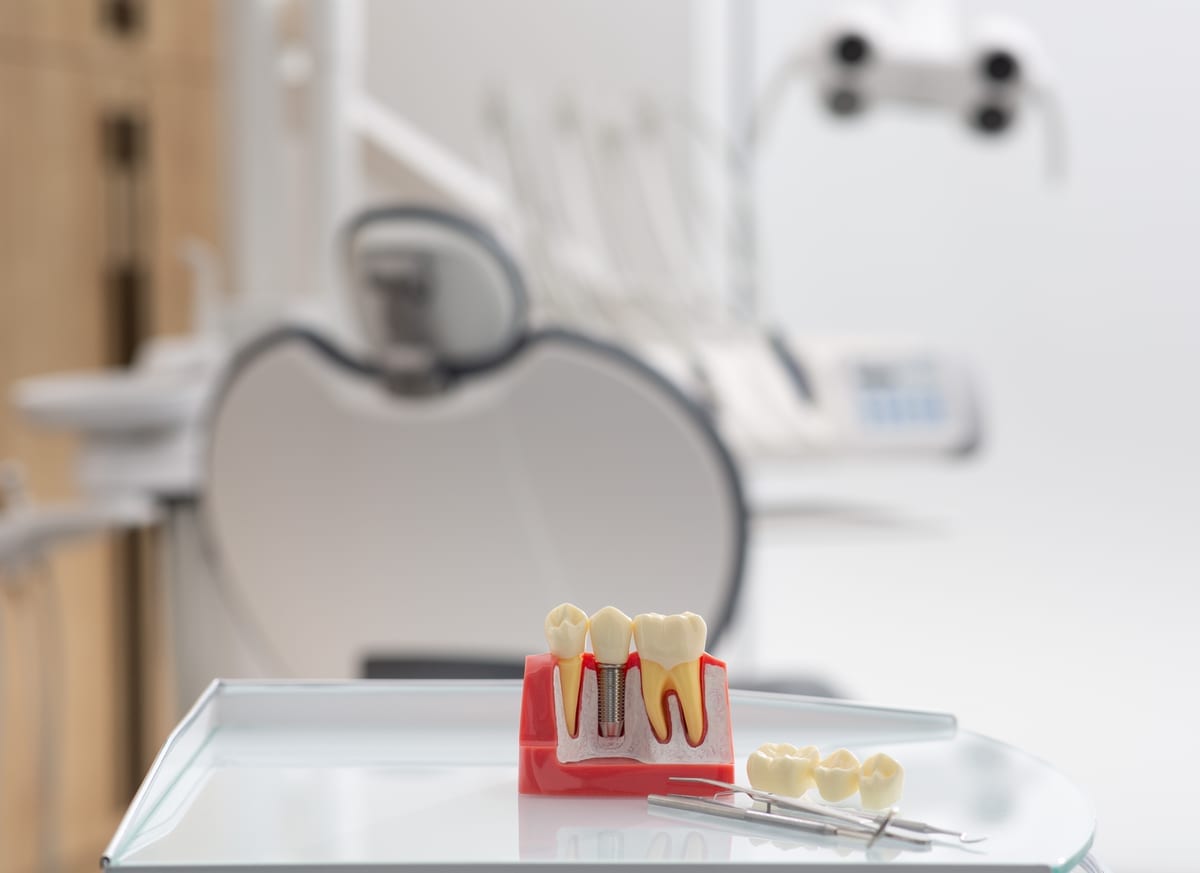
Dental implants are one of the most effective tooth replacement options available today. But many Ann Arbor patients ask the same question before their procedure: what happens after? Understanding what to expect during dental implant recovery — your complete timeline in Ann Arbor — helps you feel prepared, confident, and in control. Dr. Shah and the team at Stadium Family Dentistry want every patient to walk into recovery with realistic expectations and a clear plan.
The First 24–72 Hours: What Happens Right After Surgery
The first three days are the most important part of your implant recovery. Your body begins healing immediately, and your choices during this window matter. Expect some swelling, mild bruising, and discomfort around the implant site.
Most patients manage pain well with over-the-counter medications like ibuprofen or acetaminophen. Dr. Shah may also prescribe something stronger if needed. Apply an ice pack to your cheek in 20-minute intervals to reduce swelling.
Bleeding is normal during the first 24 hours. Bite gently on gauze to control it. Avoid spitting, rinsing forcefully, or using a straw — these actions can disrupt the clot that protects your healing site.
- Rest as much as possible the first day
- Sleep with your head slightly elevated
- Avoid smoking or alcohol for at least 72 hours
- Do not touch or probe the surgical site with your tongue
- Stick to soft, cool foods only
What to Eat During Dental Implant Recovery
Your diet plays a huge role in how quickly and smoothly you heal. Hard, crunchy, or chewy foods can irritate the implant site. Stick to soft options during the first one to two weeks.
Good food choices include scrambled eggs, yogurt, mashed potatoes, oatmeal, smoothies, and soft fish. Avoid hard bread, chips, nuts, and raw vegetables. Steer clear of very hot foods and beverages — heat can increase swelling and discomfort.
As your healing progresses, you can gradually reintroduce firmer foods. Always chew on the opposite side of the implant when possible. Your comfort level is a good guide — if something hurts, stop eating it and stick to softer alternatives.
- Week 1–2: Soft foods only (yogurt, eggs, soup, smoothies)
- Week 3–4: Slightly firmer foods like pasta, soft bread, cooked vegetables
- Month 2+: Most foods tolerated, avoid very hard items near the implant
- Long-term: Chew evenly and avoid biting hard objects like ice or pen caps
The Full Recovery Timeline: Week by Week in Ann Arbor
Understanding the broader recovery timeline helps you set realistic milestones. Dental implant recovery is not an overnight process — it happens in stages. Here is a general guide for Ann Arbor patients working with Dr. Shah.
Days 1–3: Swelling and discomfort peak during this period. Rest, ice, and medication manage symptoms well. Most patients feel significantly better by day four or five.
Week 1–2: Swelling fades and energy returns. Stitches may dissolve on their own or be removed at a follow-up visit. You begin to eat a wider range of soft foods.
Weeks 3–8: The implant integrates with the jawbone through a process called osseointegration. This is when the implant bonds to the bone. You will not feel this happening, but it is the most critical phase of long-term success.
Months 3–6: Osseointegration completes for most patients. Dr. Shah evaluates the site and places the abutment. The final restoration — often a crown — is attached. In some cases, Dental Crowns Bridges are used to complete multi-tooth implant restorations effectively.
Pain Management and Long-Term Care Tips
Good pain management during the first week makes recovery far more comfortable. Take medications as directed and do not wait until pain becomes severe. Staying ahead of discomfort is always easier than catching up.
Oral hygiene is still important during recovery, but you must be gentle. Rinse carefully with a saltwater solution after meals starting on day two. Brush the rest of your teeth normally, but avoid the implant site until Dr. Shah says it is safe.
Long-term implant care is straightforward. Implants function just like natural teeth once fully healed. Brush twice daily, floss around the implant carefully, and attend regular cleanings at Stadium Family Dentistry. If you are interested in additional cosmetic improvements alongside your implant, Dental Bonding can help refine surrounding teeth for a more uniform smile.
Watch for warning signs that something may need attention. Contact our Ann Arbor office right away if you notice increasing pain after day five, unusual swelling, fever, or implant movement. Early intervention protects your results.
How Stadium Family Dentistry Supports Your Recovery in Ann Arbor
Dr. Shah takes a hands-on approach to every implant patient’s recovery journey. You will receive detailed post-operative instructions before you leave our office. Our team is also available to answer questions between appointments.
We schedule follow-up visits at key points in your recovery. These check-ins let us monitor healing and address any concerns early. You are never left guessing about whether your recovery is on track.
Our goal is to make dental implant recovery as smooth and stress-free as possible for every Ann Arbor patient. With the right preparation and support, most patients are pleasantly surprised by how manageable the process feels. Stadium Family Dentistry is with you every step of the way.
Ready to take the next step toward a restored smile? Book Now to schedule your appointment with our team.
Frequently Asked Questions
How long does dental implant recovery take in Ann Arbor?
Most patients feel comfortable within one to two weeks after surgery. Full osseointegration — where the implant fuses with the jawbone — takes three to six months. Dr. Shah monitors your progress at every stage to ensure your implant heals properly before placing the final restoration.
Is dental implant recovery painful?
Some discomfort is normal during the first few days. Most patients manage it well with over-the-counter pain relievers and ice packs. The pain typically peaks within 48 hours and then improves steadily. Dr. Shah provides personalized guidance on managing any discomfort during your recovery.
What foods should I avoid after dental implant surgery?
Avoid hard, crunchy, chewy, and very hot foods during the first two weeks. Safe options include yogurt, mashed potatoes, scrambled eggs, and smoothies. As healing progresses, you can gradually reintroduce firmer foods based on your comfort level.
When can I return to work after a dental implant procedure?
Many patients return to desk work within one to two days after surgery. If your job involves physical labor, you may need three to five days of rest. Dr. Shah will give you specific guidance based on your individual procedure and recovery progress.
How do I care for my dental implant long-term?
Care for your implant just like a natural tooth. Brush twice daily, floss carefully around the implant, and visit Stadium Family Dentistry regularly for professional cleanings. Avoid biting on hard objects like ice or hard candy, which can stress the implant over time.
By Stadium Family Dentistry

New patients and emergency appointments welcome
